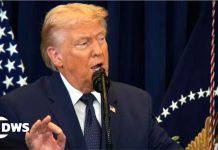

President Trump’s bold 10-15 day ultimatum to Iran demands zero uranium enrichment or faces the largest US military buildup since the Iraq War eve, signaling real strength against a regime that endangers American security and allies like Israel.
Story Highlights
- Trump deploys over 120 warplanes and positions USS Gerald R. Ford in Eastern Mediterranean, showcasing unmatched US military resolve.
- Iran scrambles with air defense, naval, and missile inspections while promising a nuclear proposal in 2-3 days—classic delay tactics.
- Fundamental clash: US insists on zero enrichment; Iran pushes alternatives to preserve its nuclear ambitions.
- Escalation risks rise with Hezbollah proxies ready to strike Israel, potentially igniting regional war.
- Domestic unrest weakens Iran, with at least 26 protesters sentenced to death amid military preparations.
Trump’s Ultimatum and Military Surge
President Donald Trump announced on February 20 a strict 10-15 day deadline for Iran to agree on a nuclear deal. This follows the largest US military deployment to the Middle East in over two decades. Over 120 warplanes now operate across the region. The USS Gerald R. Ford, the world’s largest warship, heads to the Eastern Mediterranean, arriving within days. Tens of thousands of US troops stand ready, protecting American interests against Iranian threats. This buildup counters years of regime aggression, prioritizing national security and ally defense.
Iran’s Dual-Track Response
Iranian Foreign Minister Abbas Araghchi pledged a nuclear proposal within 2-3 days after February 20 talks. Yet military commanders conducted urgent inspections: General Abd Rahim Mousavi reviewed IRGC underground missile sites on February 4. Brigadier General Alireza Elhami checked air defenses in Tabriz, Babolsar, and Birjand from February 10-20. Rear Admiral Faramarz Bemani assessed Shahid Nezafat Naval Base on February 15. These moves reveal preparations for war masked as diplomacy, exploiting negotiations to buy time.
Nuclear Standoff Core Disputes
US demands zero uranium enrichment to eliminate nuclear weapon risks. Iran counters with proposals for lowered levels or regional facilities, rejecting full dismantlement. Geneva talks on February 17 exposed this irreconcilable gap. A US official reaffirmed Trump’s zero-enrichment stance after Araghchi’s misleading claim. Historical context includes Trump’s 2018 JCPOA withdrawal, rejecting weak deals that empowered Iran. Firm red lines protect US sovereignty and prevent atomic threats to freedom-loving nations.
Escalation Risks and Stakeholder Dynamics
Failure within Trump’s timeline positions US forces for action, prompting warnings from experts like retired diplomat Alan Ay of aggressive Iranian retaliation. Hezbollah, Iran’s proxy, eyes rocket and drone strikes on Israel, as seen in past attacks including a 2024 Netanyahu residence drone hit. Senator Jack Reid called strikes a misstep risking wider war. Israel’s readiness bolsters deterrence. Iran’s domestic protests, with 26 death sentences, expose regime fragility under pressure.
Strategic Implications for US Strength
Short-term, Iran’s 2-3 day proposal offers slim diplomatic hope amid buildup. Medium-term, air campaigns with Israel could prolong conflict, exposing troops to missiles. Long-term, strikes might accelerate Iran’s nuclear push, but sustained pressure weakens proxies like Hezbollah. Trump’s approach restores deterrence lost under prior weak policies, safeguarding constitutional priorities of strong defense and limited entanglements while confronting globalist failures.
Sources:
Institute for the Study of War (ISW) – Iran Update, February 20, 2026