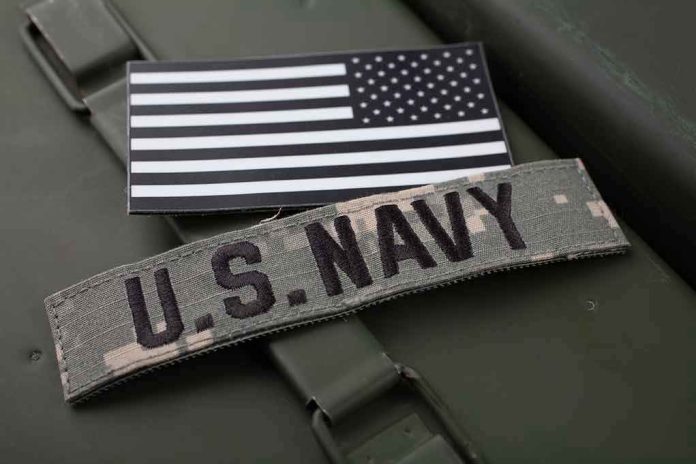
A fictional Navy SEAL story masquerading as military history threatens to distort the sacrifices of real heroes who gave their lives serving America in Afghanistan.
Story Snapshot
- “Broken Compass” appears to be a dramatized fictional account rather than documented military history
- The narrative lacks official military verification or corroborating evidence from credible sources
- Real Navy SEAL casualties deserve accurate representation, not sensationalized fiction
- Military fiction platforms risk misleading readers about actual special operations sacrifices
Fiction Disguised as Military History
The “Broken Compass” narrative follows fictional character Cal Harlow, a Navy SEAL sniper who allegedly vanishes during a night raid in Afghanistan’s Kunduz region. Published on SOFREP, the account employs dramatic literary techniques including first-person perspective, internal monologues, and detailed dialogue reconstruction.
These narrative elements clearly indicate creative writing rather than factual military reporting. The story lacks the documentation, official statements, and corroborating evidence that characterize legitimate military incident reports.
Absence of Official Documentation
Genuine Navy SEAL casualties and disappearances generate extensive official documentation including military statements, casualty reports, and presidential acknowledgments. The January 2024 deaths of Navy Special Warfare Operators Christopher Chambers and Nathan Gage Ingram exemplify proper documentation with official military identification and news coverage.
In stark contrast, the “Broken Compass” incident produces no official military records, casualty documentation, or credible news reporting. This absence of verification distinguishes fiction from documented military history.
Disrespecting Real Military Sacrifices
Presenting fictional military narratives as potential historical events diminishes the documented sacrifices of actual Navy SEALs killed in Afghanistan operations. The Battle of Takur Ghar in March 2002 resulted in the verified death of Navy SEAL Neil Roberts, generating extensive official documentation and military recognition.
Multiple Navy SEALs died in documented Afghanistan operations between 2012-2014, their sacrifices recorded in official military records. These real heroes deserve accurate historical representation rather than confusion with dramatized fiction.
Literary Platforms Creating Historical Confusion
SOFREP’s publication model combining factual military reporting with narrative fiction creates problematic ambiguity for readers seeking accurate military history. The platform’s literary presentation of the “Broken Compass” story includes dramatic reconstruction and character development typical of creative writing.
This approach risks misleading audiences about the distinction between documented military incidents and fictional narratives. Military history deserves clear separation from entertainment fiction to preserve the integrity of real service member sacrifices and operational records.
Conservative Americans who honor military service must demand accuracy in military historical reporting. Fiction serves valuable purposes in exploring military themes, but it should never masquerade as potential historical fact. Our fallen warriors earned honest documentation of their sacrifices, not confusion with dramatized entertainment narratives.
Sources:
Navy identifies 2 SEALs declared dead after going missing on nighttime mission in Arabian Sea
Broken Compass: The Navy SEAL Sniper Who Vanished in Afghanistan
Navy SEAL Foundation – Fallen Heroes