Iowa National Guard Sgt. Nate Howard’s death in Syria exposes the deadly consequences of America’s decade-long Middle Eastern entanglement, raising urgent questions about why our troops remain vulnerable in a mission that puts American lives at risk for questionable strategic gains.
Story Snapshot
- Iowa National Guardsman Sgt. Nate Howard killed alongside another servicemember in ISIS ambush in Syria
- Attacker was a recent recruit to Syrian security forces, highlighting infiltration risks in U.S.-Syrian cooperation
- First fatal attack on U.S. forces since Assad’s fall, occurring during joint meeting with Syrian troops
- 900 U.S. troops remain deployed in Syria for counter-ISIS operations, oil field protection, and training missions
National Guard Tragedy Highlights Mission Scope Creep
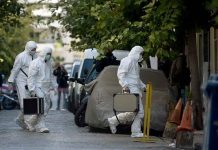
Twenty-nine-year-old Sgt. Nate Howard, who enlisted in the Iowa National Guard at age 17, died alongside another U.S. servicemember and an interpreter during a December 13-14 ambush in Palmyra, Syria. The lone ISIS gunman stormed a joint meeting between U.S. and Syrian forces in the volatile Badiya region. This marks the first fatal attack on American troops since Bashar al-Assad’s fall one year prior, underscoring how our military’s mission has expanded beyond original counter-terrorism objectives into nation-building partnerships with questionable allies.
The attack occurred in an area not fully controlled by Syrian government forces, where approximately 900 U.S. troops continue operations that now include defeating ISIS, guarding oil fields, and training local Syrian forces. This expanded mission represents a significant departure from the limited counter-terrorism focus that initially justified American presence in Syria over a decade ago.
Syrian Security Forces Infiltrated by ISIS Operatives
U.S. Central Command confirmed the attacker’s ISIS affiliation, while Syrian officials acknowledged the gunman was among 5,000 recent recruits to a new internal security division. This “major security breach” exposes fundamental flaws in vetting processes for Syrian security forces. The incident demonstrates how America’s expanding cooperation with post-Assad Syria creates vulnerabilities that directly endanger our servicemembers’ lives through inadequate partner force screening.
Syrian Interior Minister Ali Al-Baba described the incident as an isolated breach while defending overall security successes. However, critics argue this attack proves ISIS infiltration into Syrian ranks, questioning the viability of deepening U.S.-Damascus partnerships. Syrian forces launched sweeps in the Badiya region and arrested five suspects in Palmyra following the attack, but the damage to trust and operational security remains significant.
Endless Middle East Deployments Put Americans at Risk
This tragedy highlights the ongoing costs of America’s Middle Eastern military commitments under previous administrations’ policies. U.S. forces initially partnered primarily with Kurdish-led Syrian Democratic Forces in northeastern Syria, but Assad’s fall in December 2024 enabled expanded cooperation with new Syrian security apparatus. U.S. Envoy to Syria Tom Barrack stated American forces remain to “finish defeating ISIS” while empowering local partners, yet this mission creep places our troops in increasingly dangerous situations.
The incident strains delicate U.S.-Syria cooperation at a critical juncture when America should be reducing Middle Eastern entanglements rather than expanding them. While U.S. officials vow retaliation against ISIS, they remain silent on addressing Syrian recruit involvement, suggesting reluctance to confront partnership vulnerabilities that directly threaten American lives. This approach prioritizes diplomatic relationships over protecting our servicemembers from preventable risks.
Sources:
Attacker who killed US troops in Syria was recent recruit to security forces
What to Know About the US Military’s Role in Syria After Deadly Attack