An unprecedented wave of protests in Iran marks a dramatic escalation, challenging the regime as demonstrators adopt new tactics.
Story Highlights
- Protests surge across Iran, becoming the largest since late 2025.
- Demonstrators shift to decentralized tactics, complicating state control.
- Iranian authorities respond with internet blackouts and force.
- International reactions grow, with the U.S. warning of consequences.
- Protests highlight deep economic and political grievances.
Massive Escalation of Protests in Iran
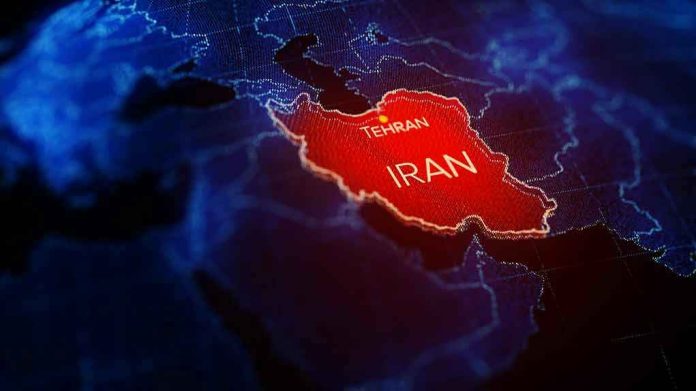
On January 8, 2026, Iran witnessed a significant surge in protest activity, with demonstrations expanding rapidly across the nation. The protests, initially sparked by economic grievances, have evolved into a broad anti-regime movement. Protesters have adopted decentralized, mobile tactics, making it difficult for authorities to suppress them effectively.
The Iranian government’s response has been swift and severe. Authorities have cut internet and international phone services to cripple coordination among protesters and limit international visibility. Security forces have been deployed extensively, using tear gas and, in some cases, live ammunition to disperse crowds, resulting in numerous casualties and arrests.
State Response and International Reactions
Iran’s Supreme Leader, Ali Khamenei, has labeled the protesters as “rioters,” signaling a tough stance on dissent. Meanwhile, President Masoud Pezeshkian has acknowledged the economic issues fueling unrest but has largely supported the security forces’ actions to restore order. The regime’s legitimacy is increasingly questioned as the protests continue to grow in size and intensity.
Internationally, responses have been mixed. U.S. President Donald Trump issued a strong warning to Iran, stating that the U.S. would intervene if peaceful protesters were violently targeted. This statement comes amid heightened tensions following previous U.S. strikes on Iranian nuclear facilities.
Implications for Iran’s Future
The ongoing protests pose significant challenges to the Iranian regime. They highlight the deep-seated economic and political issues that have plagued the country for years. The use of decentralized tactics by protesters suggests a learning curve from past movements, making it harder for the regime to regain control.
As the protests continue, the regime faces a crucial decision: escalate repression or consider concessions to address the public’s grievances. The outcome could have lasting implications for Iran’s political landscape and its relations with the international community.
Sources:
A timeline of how the protests in Iran unfolded and grew
Iran News in Brief January 7, 2026