

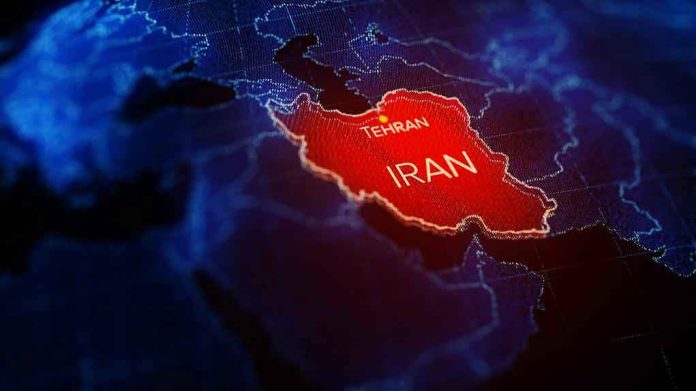
A new policy threatens Iran’s economic stability and social fabric, sparking nationwide protests.
Quick Take
- Iran’s President Pezeshkian addresses the nation’s economic crisis amid widespread protests.
- Plans for subsidy reform are laid out to tackle inflation and currency devaluation.
- Protesters demand economic relief as clashes with security forces continue.
- The government blames foreign interference for the unrest.
President Pezeshkian’s Strategic Address
Iran’s President Masoud Pezeshkian has taken to the airwaves in a pre-recorded interview to address the nation’s mounting economic crisis. As Iran grapples with rising inflation and a depreciating currency, Pezeshkian outlined a new economic plan aimed at reforming the subsidy system. This move comes in response to two weeks of intense protests that have spread across the country. The president’s address was broadcast on Iran’s state television, IRIB, and sought to calm public unrest by promising to address people’s demands while maintaining order.
The president’s plan focuses on restructuring subsidies to alleviate the fiscal pressure on the government while attempting to curb inflation. Pezeshkian acknowledged the protests as a legitimate expression of public frustration but warned against the involvement of “rioters” and foreign elements, whom he accused of trying to destabilize the country. He assured citizens that the government is committed to solving economic problems and is open to dialogue with peaceful protestors.
The Economic Challenges Facing Iran
Iran’s economy has been under strain due to longstanding U.S. sanctions, exacerbating issues like high inflation and currency instability. The rial’s depreciation has made basic goods less affordable for ordinary Iranians, fueling public discontent. Past attempts to reform subsidies, such as the 2019 fuel price hikes, have historically led to public unrest. The current protests echo previous instances where economic grievances quickly evolved into calls for broader political changes.
Amid these challenges, the government insists on distinguishing between peaceful protests and what it terms as “riots” fueled by foreign interference. The authorities have emphasized maintaining order, suggesting a security-heavy response to demonstrations. This approach, while aimed at preserving stability, risks further inflaming tensions if economic relief measures are not swiftly implemented and perceived as effective by the public.
Implications for Iran’s Future
The outcome of Pezeshkian’s economic reforms will significantly impact Iran’s domestic stability and international perception. Successful implementation could improve fiscal health and restore public confidence, but failure might exacerbate social unrest and weaken the president’s standing. By framing the unrest as foreign-instigated, the government seeks to consolidate internal support and justify its security measures. However, this narrative may not resonate with all Iranians, particularly those directly affected by economic hardships.
In the long term, Iran’s ability to manage subsidy reforms and economic challenges will influence its geopolitical standing and relationships with international partners. Persistent instability could deter investment and complicate diplomatic efforts to ease sanctions. As the situation unfolds, all eyes will be on Tehran to see how it navigates this critical juncture.
Sources:
Iran president to address economic situation, ‘people’s demands’ in interview: state TV
Iran’s president vows to solve economic problems amid protests
Iranian president addresses nation amidst economic turmoil