

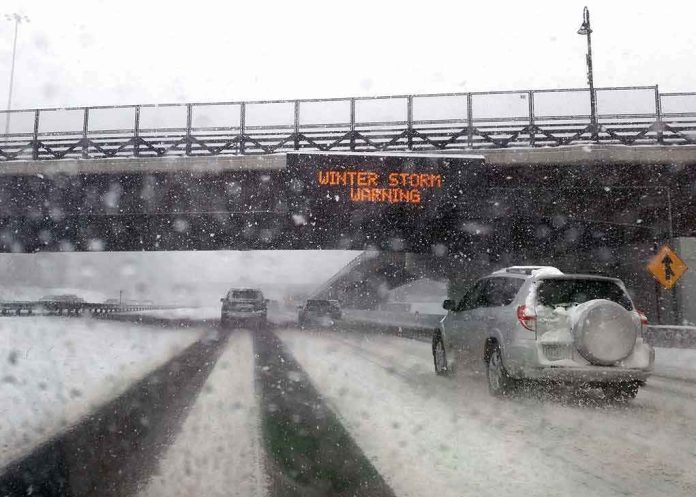
A catastrophic winter storm threatens to unleash unprecedented ice and snow across the South, placing over 175 million Americans at risk while exposing vulnerabilities in infrastructure that could mirror the disastrous 2021 Texas blackout crisis.
Story Snapshot
- Over 175 million people across 35 states face historic winter storm with crippling ice accumulation from Texas to the Carolinas starting Friday
- Southern cities including Dallas, Atlanta, and Raleigh could experience record-breaking ice accretion exceeding half an inch, threatening mass power outages
- Governors Abbott, Stein, and others activated emergency resources and National Guard units as DHS Secretary Noem positions federal aid
- Polar vortex-driven arctic freeze will prevent melting for days, potentially stranding millions without heat in sub-Alaska temperatures
- Storm echoes 2021 Texas grid failure disaster, raising concerns about infrastructure preparedness and government emergency response capabilities
Unprecedented Storm Threatens 35 States
Meteorologists are warning that a massive winter storm system will impact more than 175 million Americans across 35 states beginning Friday, delivering what forecasters describe as potentially catastrophic conditions. The storm will stretch over 2,000 miles from the Southwest through the South, Tennessee Valley, Southeast, and into the Mid-Atlantic and Northeast through Monday. Winter Storm Watches have been issued for millions as the system approaches, with peak impacts expected Saturday when dangerous ice accumulation and heavy snowfall will paralyze major transportation corridors including Interstate 20, Interstate 40, and Interstate 95. The unprecedented scale of this weather event has prompted emergency declarations and resource mobilization across multiple states.
Dangerous Ice Threat Across the South
The primary threat facing southern states is a paralyzing ice storm that could deposit over half an inch of ice accretion across 15 states from New Mexico to the Carolinas. Cities including Dallas, Little Rock, Atlanta, Columbia, and Raleigh face crippling ice conditions that will snap tree limbs, down power lines, and create impassable roadways. The storm begins Friday afternoon in the Southern Plains as cold rain transitions to a deadly wintry mix, with freezing rain coating surfaces throughout the night. Saturday brings the most dangerous conditions as ice accumulation peaks across the Southeast. Forecasters warn that a polar vortex is funneling arctic air southward, creating temperatures colder than Alaska in parts of the South and preventing any melting for days after the storm passes.
Government Response and Infrastructure Concerns
Texas Governor Greg Abbott activated state emergency resources to address infrastructure and travel hazards, while North Carolina Governor Josh Stein declared a state of emergency and positioned response teams. South Carolina’s governor activated the National Guard and implemented emergency operations plans. DHS Secretary Kristi Noem coordinated federal aid positioning for anticipated power outages, frozen pipe bursts, and road closures. These preparations come with memories of the 2021 Texas winter storm still fresh, when grid failures left millions without power during brutal cold. The current storm threatens similar widespread outages due to ice accumulation on power lines, with the prolonged deep freeze potentially hindering restoration efforts for days. This situation underscores the vulnerability of southern infrastructure unprepared for extended arctic conditions.
Historic Snow and Travel Paralysis Expected
Nashville, western North Carolina, and mountain regions could receive over 12 inches of snow, with some southern cities potentially experiencing top-five historic snowfall totals. The storm track shows highest snow confidence for Virginia, Washington D.C., and New York City, with 6 to 12 inches possible along the Interstate 95 corridor if the system intensifies off the East Coast through potential bombogenesis. Airlines including Southwest are monitoring for massive cancellations and delays across affected corridors. Airports in Dallas, Atlanta, Charlotte, and major northeastern hubs face days of disrupted operations. Rural areas along Interstate 40 are especially vulnerable to prolonged isolation due to impassable roads and downed power lines blocking emergency access routes.
Economic and Safety Implications
The economic impact of this storm could reach billions of dollars through power outages, travel disruptions, and infrastructure damage. Beyond financial costs, serious safety concerns emerge as millions face the prospect of losing heat during extreme cold with temperatures plunging well below freezing. Health risks from hypothermia and carbon monoxide poisoning increase when residents lose power and turn to dangerous heating alternatives. The political ramifications for state and federal response will face scrutiny, particularly given the 2021 precedent when inadequate preparation led to preventable deaths. The storm highlights the importance of robust emergency preparedness and infrastructure resilience, fundamental responsibilities of effective governance that directly protect citizens’ safety and wellbeing during natural disasters.
Sources:
South braces for potentially major winter storm this weekend: The latest – ABC News