

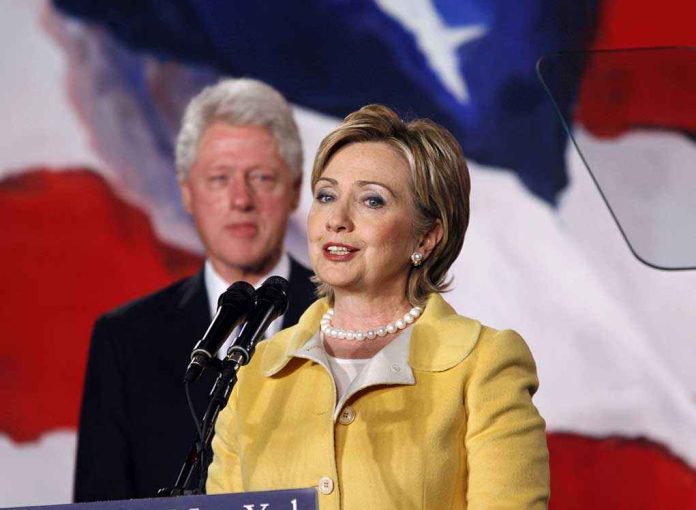
Bill and Hillary Clinton’s brazen defiance of a bipartisan congressional subpoena exposes a two-tiered justice system where elites claim immunity from the rule of law that bound Trump allies like Bannon and Navarro.
Story Snapshot
- Clintons refused House Oversight Committee subpoena on Epstein ties, issuing defiant letter claiming “now is that time” to fight.
- Legal expert Jonathan Turley warns no viable defense exists, mirroring convictions of Trump associates under Biden-era enforcement.
- Bipartisan subpoena vote, including Democrat Rep. Ro Khanna, underscores equal accountability under Constitution.
- Defiance risks criminal contempt proceedings, testing if prominent Democrats escape standards applied to others.
Clintons Reject Bipartisan Subpoena
House Oversight Committee Chairman James Comer led issuance of subpoenas to Bill and Hillary Clinton for testimony on Jeffrey Epstein investigations. The committee voted on a bipartisan basis, with Democrat Rep. Ro Khanna insisting compliance. The Clintons failed to appear. They sent a letter declaring every person decides when to fight for country principles, stating for them now is that time. This non-compliance directly challenges congressional authority rooted in Constitution.
Turley Exposes Legal Vulnerability
Constitutional scholar Jonathan Turley, with over 50 congressional testimonies, analyzes the Clintons’ stance as baffling with no intelligible strategy. As private citizens facing a permanent House committee, they lack defenses like Fifth Amendment invocation after appearance or challenges to select committees. Turley equates it to Bannon’s failed approach, which led to conviction. Non-appearance constitutes clear contempt, leaving no viable legal ground.
Democratic Hypocrisy in Spotlight
Under Biden, defiance triggered prosecutions; Biden himself urged criminal accountability for January 6 holdouts. Hillary Clinton mocked Bannon’s indictment then. Now Democrats like Rep. Dan Goldman deem Clintons’ refusal righteous. This shift undermines equal law application, a core conservative principle. Bipartisan subpoena distinguishes from partisan probes, yet elites assert de facto immunity, eroding public trust in institutions.
Turley highlights procedural distinctions: unlike Jim Jordan contesting select committee legitimacy, Oversight wields settled subpoena power. Appearance allows protections; refusal does not. Sources note no criminal accusations against Clintons, but lawful subpoenas bind all citizens equally.
Path to Contempt Proceedings
House Oversight eyes contempt vote against Clintons, potentially leading to criminal referrals mirroring Biden administration actions against Navarro and Bannon. Outcomes will test congressional power uniformity. Success for Clintons weakens investigative authority long-term. Rule of law hangs in balance, questioning if political figures evade standards for ordinary Americans. Public interest in Epstein files amplifies stakes for precedent.
ABOVE THE LAW: @JonathanTurley writes why Bill and Hillary Clintons' defiance of Congress is a legal blunder that could lead to severe consequences.
"They are simply asserting a type of de facto Clinton immunity that could leave even a sympathetic federal district court judge… pic.twitter.com/8FZCIzNFlJ
— Fox News (@FoxNews) January 18, 2026
Stakeholders include Comer pushing enforcement, Khanna backing compliance, and Clinton counsel David Kendall crafting defenses. Federal courts may adjudicate. Conservative values demand accountability without privilege, ensuring Constitution binds elites too. Limited Epstein details noted, but defiance facts consistent across records.
Sources:
Now is That Time: Clintons Defy Congressional Subpoena and Trigger Contempt Proceedings
Jonathan Turley: Clintons dare House to hold them in criminal contempt. It should work.